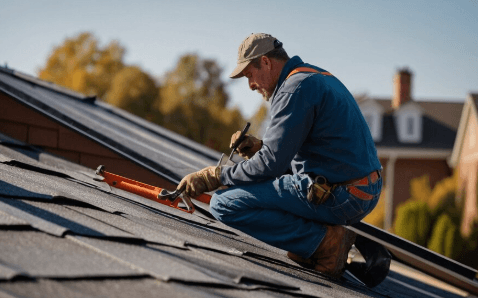
Most homeowners look at a roof the same way they look at siding or windows. If it appears intact from the yard, it is easy to assume everything is fine. That is part of what makes roofing problems so easy to miss. A roof can still look neat and complete from the ground, while small failures are already developing around vents, flashing, fasteners, or the layers beneath the shingles. For homeowners thinking about roof repair cedar city, that hidden stage is often when the problem is still manageable, before moisture spreads into deeper parts of the roofing system.
The tricky part is that a roof is more than just what you can see on the surface. Shingles might still look neat and in place even after the seal underneath has started to fail. Flashing can appear solid from below while a small gap is already opening at a transition point. In other words, a roof can look completely normal on a clear day and still let in moisture during wind-driven rain or after years of weather exposure. That gap between how a roof looks and how it actually performs is one reason some problems remain hidden until they become much more costly to fix.
Surface Looks Can Be Misleading
From ground level, it’s easy to miss the early signs of roof trouble. Big problems, like a section that’s clearly missing or an area that’s starting to sag, usually stand out right away. But many roofing issues begin with subtle wear that is much harder to spot. A shingle may start to curl at the edge. A vent boot might develop a small crack. Flashing can loosen slightly without making the roof look any different from below.
Even small flaws like these can lead to bigger trouble because a roof relies on every layer working together to keep water out. It does not take a wide opening for moisture to get in. One worn spot during the right storm can be enough. And once water gets beneath the surface, it can spread into the layers underneath and nearby materials well before there is any obvious sign inside the home.
Problems Often Start at Transitions
A roof often starts failing at the points where different materials meet, not in the middle of a wide-open section. Areas around vents, skylights, chimneys, valleys, and walls usually experience greater stress because they must handle both water flow and normal roof movement. When one of those areas starts to wear down, the change may be small at first, but it can still create a path for moisture.
That is why these problems are easy to miss from the ground. The roof may still look straight and complete from below, even when the materials around one transition have started to loosen. Most homeowners cannot see a small flashing gap or cracked sealant from that distance. What looks fine from the yard may already be letting water in during storms.
Weather Damage Can Build Slowly
Not all roof damage is easy to spot. Sometimes, wind shifts part of the roof without leaving visible evidence, and long-term sun exposure can slowly wear out roofing materials. In other cases, moisture keeps finding its way into the same weak area, causing damage little by little before any leak appears inside.
That is what makes these problems so easy to overlook. At first, there may be no leak, no fallen shingles, and nothing that seems out of place. But over time, the roof continues to weaken. Temperature swings cause materials to move, sealants to break down, and nails or fasteners to lose their grip. What starts as a small issue can grow into a much more expensive repair.
Indoor Clues May Appear First
In many cases, the first real warning does not come from looking at the roof at all. It comes from what is happening inside the house. A ceiling stain, damp attic insulation, peeling paint near the upper wall, or a musty odor can all point back to a roofing issue that is not obvious from the outside.
That happens because water rarely travels in a straight vertical line from the entry point. It can move along framing, follow the underside of roof decking, or spread across connected materials before it shows up indoors. A homeowner may notice discoloration in one room while the actual roof problem sits several feet away. This makes it even harder to connect what is seen from the yard with what is happening inside.
See also: Key Things to Consider When Choosing Modern Home Furniture
Small Damage Can Spread Quietly
A roofing problem that starts small does not always stay small. Once moisture enters surrounding materials, the issue may affect more than just the original opening. Underlayment can weaken. Wood decking can begin to soften. Nearby shingles may stop lying as tightly as they should. The repair area becomes larger not because the original damage looked severe, but because it was left in place long enough to spread.
This is where roof repair cedar city becomes less about a single visible flaw and more about how the whole surrounding section has been affected. A homeowner may think the issue is limited because the roof still looks decent from below, yet the real concern lies just beneath the surface.
Why Professional Inspection Matters
A roof inspection should go beyond spotting a few missing shingles. It should focus on the areas that usually wear out first, such as flashing, vents, fasteners, and areas where water tends to run off. It’s also important to check for signs that moisture may have slipped beneath the surface. When the attic can be inspected as well, it often gives a much better sense of whether the issue is starting to spread beyond what’s visible from the outside.
That matters because a roof can look perfectly fine from the ground while a problem is quietly developing. What seems minor at first can turn out to affect more than one area once it’s examined up close. On the other hand, finding the problem early usually means the repair stays smaller and more manageable. The sooner moisture is caught, the better the chances of preventing more extensive damage.
Conclusion
Some roof problems stay hidden because they start in places you can’t easily see from below. From the outside, the roof may still look strong even as wear begins around flashing, beneath shingles, or in other vulnerable areas. That’s why it helps to pay attention to small warning signs both inside and outside the home. When a problem is found early, it’s usually easier to fix and much less likely to grow into a bigger repair.