A solar-powered generator provides households with a dependable, fuel-free alternative to keep critical gadgets functioning during outages or crises. These systems capture energy from solar panels, store it in a battery, and then offer clean electricity as needed. Whether you need backup for vital equipment or a more sustainable alternative to gas generators, selecting the proper model is crucial. From capacity and output to ease of use and maintenance, the best solar generator balances performance with long-term value. This guide explains how solar generators work, what homeowners should evaluate before buying, and what features make a unit ideal for backup, daily use, or off-grid support.
What Is a Solar-Powered Generator and How Does It Work?
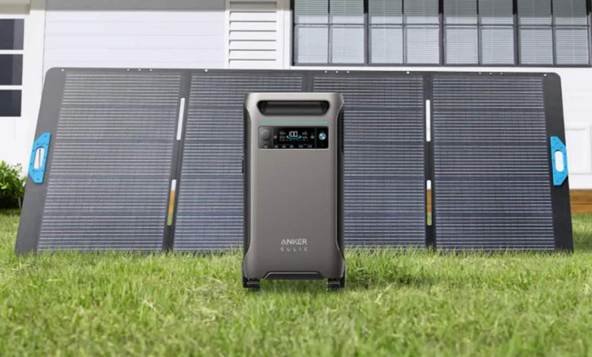
A solar-powered generator is a portable or fixed power source that turns sunlight into useful electricity. It generally includes solar panels, a battery for energy storage, an inverter to convert DC to AC power, and output connectors for connecting devices or appliances. When exposed to sunlight, solar panels recharge the internal battery. During power outages or when off-grid, the inverter delivers electricity to the connected loads. Unlike gas generators, solar versions run quietly and release no pollutants, making them ideal for indoor or residential usage. They may be recharged via solar panels, wall plugs, or automobile adapters. Homeowners utilize them to provide backup power, achieve energy independence, or lessen dependency on the grid during peak prices or blackouts.
Key Factors Homeowners Should Consider Before Buying
Power Output, Battery Capacity, and Expandability
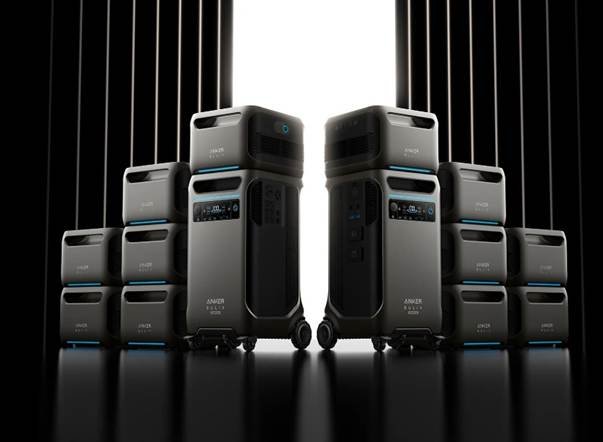
Determine how much electricity your vital appliances demand and select a solar power generator that meets or surpasses those requirements. The generator’s power output (measured in watts) specifies what it can operate, whereas battery capacity (measured in watt-hours) indicates how long it can run those items. For whole-house necessities, look for models with at least 1,000-2,000 watt hours. Expandable solutions allow you to add additional batteries or solar panels as needed, enhancing flexibility and long-term value. Make certain that the generator provides surge power for appliances such as refrigerators and microwaves. A well-matched system assures that you will not run out of resources during an outage or peak demand.
Portability, Installation, and Ease of Use
Some solar generators are tiny and portable, making them ideal for transporting between rooms or places. Others are heavier and suitable for semi-permanent installation. Choose according to your space, mobility requirements, and storage preferences. Look for systems that are simple to set up, have straightforward displays, and can be monitored via a mobile app. Wheeled bases, built-in handles, and stackable designs increase convenience. If you aren’t building a whole-home system, avoid elaborate wiring or configurations. Most homes want a system that charges rapidly, connects simply to panels, and powers appliances in a few simple steps. Prioritizing user-friendly features contributes to dependable and stress-free functioning during interruptions.
Safety, Noise Level, and Maintenance Needs
Unlike gas generators, solar generators are quiet, safe, and require less maintenance. They do not release carbon monoxide or require ventilation, making them safer for indoor usage. Look for machines that have built-in safety features such as short-circuit, overheat, and overcharge protection. Choose versions that are UL certified or that fulfill electrical safety regulations. Fan-cooled systems are silent, making them ideal for evening usage. Typical maintenance tasks include keeping ports clean, examining wires, and washing solar panels on occasion. No oil maintenance or fuel storage is required. With a secure, silent, and hassle-free design, homeowners can store and use their generator with confidence at any time.
See also: The Role of Technology in Modern Healthcare: Innovations and Trends
The Best Solar-Powered Generators for Home Backup
Anker SOLIX F3800 Plus
The Anker SOLIX F3800 Plus is a powerful, extendable solar power generator built for complete home backup. It generates 6,000W to 12,000W of electricity and supports 120V/240V dual voltage, allowing it to power everything from refrigerators to central air conditioning. Starting with 3.84kWh, it may be expanded to 53.8kWh during multi-day outages. It may be charged using solar (3,200W), alternating current (1,800W), a generator (6,000W), or a household power panel. With EV-grade LFP batteries, it has a 10-year lifetime and a 5-year guarantee. It supports remote monitoring, automated storm detection, and direct EV/RV charging. There is no need for an electrician because the setup is plug-and-play. Ideal for homes that want high-capacity, low-maintenance energy independence with sophisticated power management and grid connection.
Anker SOLIX F3000
The Anker SOLIX F3000 is a strong and versatile solar power generator designed for home and RV use. It produces 3,600W of power (120V), which may be increased to 7,200W (240V) when coupled with another unit—no electrician is required. With twin solar inputs (up to 2,400W), it recharges in 1.5 hours. The 3kWh capacity is scalable to 24kWh, providing up to a week’s worth of backup power. Pass-through charging, ultra-low idle consumption, and a stealthy 35dB operation assure consistent and quiet functioning. It supports generator, solar, and EV charging, and features ports such as Anderson and TT-30R for versatility. It is built to last a decade and provides smooth switching during outages.
Anker SOLIX C2000 Gen 2
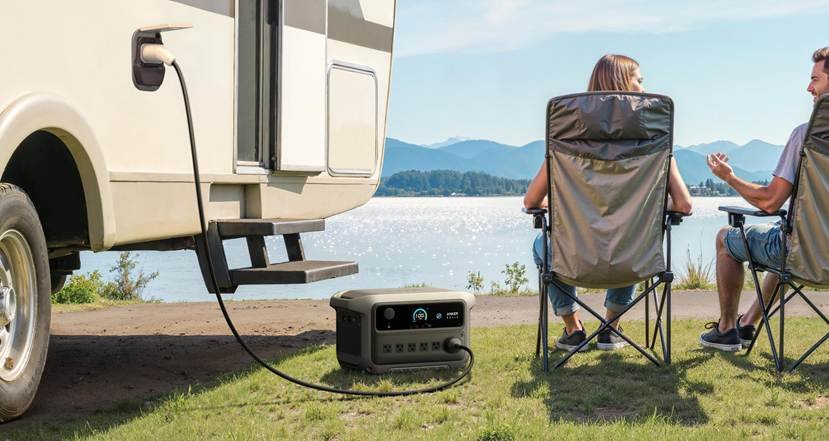
The Anker SOLIX C2000 Gen 2 is a small yet strong solar power generator built for dependable home and RV backup. With a power rating of 2,400W and a peak capacity of 4,000W, it can power 99% of household and mobile equipment. It has a 2kWh capacity that can be expanded to 4kWh, enough to power a dual-door fridge for up to 64 hours. It recharges using six methods, including 2,600W AC + solar in just 58 minutes and 800W alternator charging on the fly. At only 41.7 pounds, it’s 25% lighter and 29% smaller than the average, yet it still has smart features like Storm Guard, 10ms switchover, and app management. With a 10-year lifetime and an ultra-low 9W idle usage, it provides efficient, quiet, and long-lasting power.
Conclusion
A solar-powered generator provides households with peace of mind during power outages while also being a cleaner, quieter alternative to standard backup power. The finest models combine high power, long battery life, safety features, and a user-friendly design. Whether you need to operate a refrigerator, charge gadgets, or support home office equipment, choosing the correct generator offers consistent power when the grid fails. Before purchasing, consider your power requirements, available space, and long-term usage plans. With correct sizing and design, a solar generator may become an important element of your home’s energy system, providing solid backup, mobility, and long-term savings through sustainable energy.