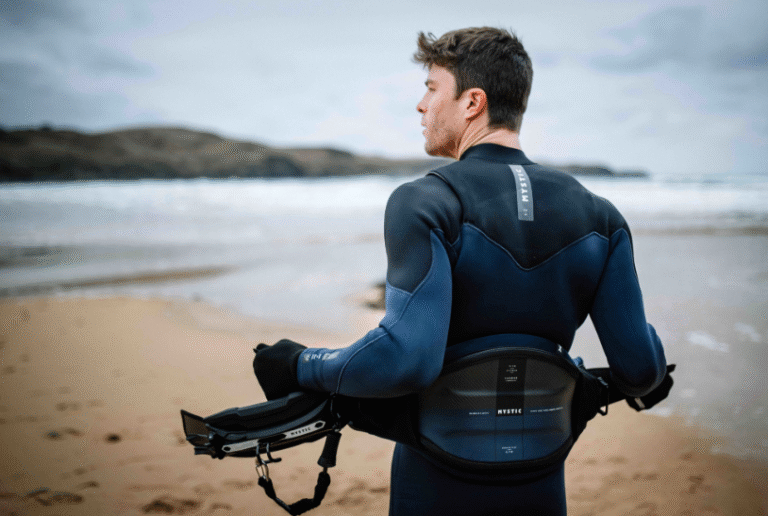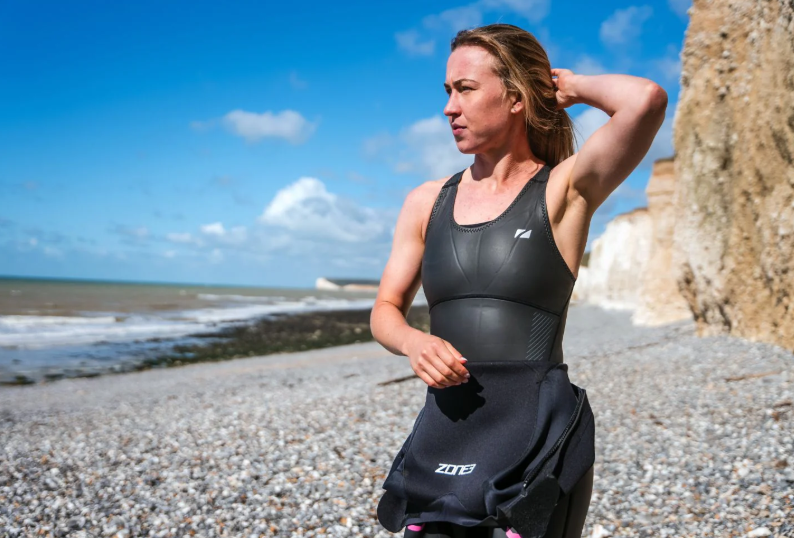
Whether you’re at the beach, pool, or on a paddleboard, wearing a rashie offers sun protection, comfort, and practicality. But one of the biggest differences between traditional and modern rashies is drying time. Quick dry rashies have become a favourite for anyone wanting to avoid that sticky, damp feeling after a swim. But what makes them dry faster than regular rashies?
This blog breaks down the fabric science behind quick dry rashies and explains why they’re a better choice for comfort and performance in and out of the water.
What Is a Quick Dry Rashie?
A quick dry rashie is a long or short-sleeved top made from lightweight, fast-drying synthetic materials. It’s designed to offer UPF-rated sun protection while keeping you comfortable during activities like swimming, surfing, kayaking, and beach sports. Unlike cotton or heavier waterwear, quick dry rashies are built to shed water quickly and wick moisture away from the skin, making them ideal for frequent water use.
Key Fabric Differences
Material Composition
Most quick dry rashies are made from a blend of polyester, nylon, and elastane. These synthetic fibres are naturally hydrophobic, meaning they resist absorbing water. In contrast, natural fibres like cotton retain moisture and take significantly longer to dry.
Weave and Weight
The tightly woven structure of a quick dry rashie allows water to sit on the surface and evaporate faster. The fabric is also thinner and more breathable than traditional options, reducing the amount of water it can hold and speeding up the drying process.
How Quick Drying Works
Quick dry rashies rely on moisture-wicking properties and clever fabric engineering. The material draws water away from your skin to the surface of the fabric, where it spreads out and evaporates more quickly. This process, combined with airflow and heat from the sun, ensures that the rashie dries within minutes of leaving the water.
Because the fabric doesn’t soak up water, it also prevents the heavy, clingy feeling common with traditional rash tops. This makes a quick dry rashie more comfortable for all-day wear and easier to pack when you’re on the go.
See also: Best Solar-Powered Generators for Homeowners
Benefits of Wearing a Quick Dry Rashie
The main benefit is comfort. You’ll dry off quickly after a swim, reducing the chill from wind or breeze. You also won’t need to carry around a wet, heavy top or worry about it soaking other items in your bag. Quick dry rashies are also resistant to odour and mildew, especially helpful if you’re travelling or in humid environments. And since they dry fast, you can rinse them out and reuse them within a short time—perfect for back-to-back beach days or training sessions.
When to Choose a Quick Dry Rashie
A quick dry rashie is ideal if you’re moving between land and water regularly—whether that’s surfing, swimming, SUP, or just playing at the beach with kids. It’s also a great option for travellers, campers, or anyone who doesn’t want to pack multiple tops for short trips. Quick dry fabric reduces drying time dramatically, which means less waiting and more time in the water.
Closing Thoughts
A quick dry rashie dries faster than a regular rashie because it’s built with lightweight, synthetic fibres that wick moisture and resist water retention. Its efficient design means more comfort, quicker transitions between activities, and less gear to manage throughout the day. If you’re looking for waterwear that keeps up with your pace, a quick dry rashie is a smart and practical choice.