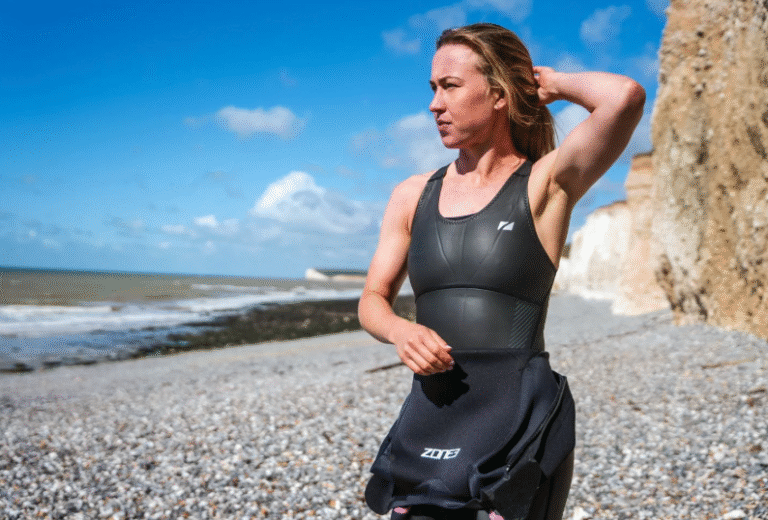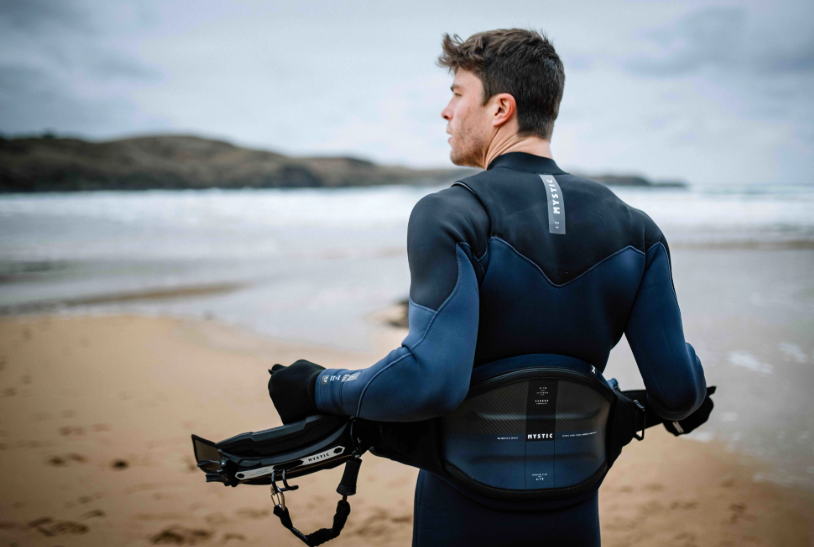
If you’ve ever browsed water sports gear, you’ve probably come across both wetsuit shorts and regular swim shorts. At first glance, they might look similar—both are worn in the water and often paired with rashies or wetsuit tops. But while they might share a category, these two types of shorts serve very different purposes. Understanding the distinction can help you choose the right gear for your activity, comfort, and performance needs.
What Are Wetsuit Shorts?
Wetsuit shorts are made from neoprene or similar insulating materials. They are designed to provide thermal protection, buoyancy, and light compression. Wetsuit shorts are typically used in activities like open water swimming, surfing, paddling, diving, or any sport where lower body warmth and support are helpful. Their snug fit and thick material help retain body heat and support core muscle groups, making them ideal for cooler conditions where a full wetsuit isn’t necessary.
What Are Regular Swim Shorts?
Regular swim shorts, often called boardshorts or trunks, are made from lightweight fabrics like polyester or nylon. These are designed for casual swimming, lounging on the beach, or spending time around the pool. Swim shorts are quick-drying, breathable, and usually feature a looser fit with elastic waistbands or drawstrings. They prioritise comfort, airflow, and style rather than performance or warmth.
Key Differences Between Wetsuit Shorts and Swim Shorts
a) Material and Construction
Wetsuit shorts are constructed from neoprene, a thick, flexible rubber-like material that insulates the body and adds buoyancy. Regular swim shorts, on the other hand, are made from woven synthetic fabrics that dry quickly but offer no thermal insulation. Neoprene also provides a closer, more supportive fit.
b) Purpose and Performance
The main purpose of wetsuit shorts is to support athletic performance. They help maintain body temperature, improve buoyancy, and support muscles during water-based activities. Swim shorts are meant for casual use—perfect for a beach day or a dip in the pool but not ideal for colder water or performance-driven sports.
c) Fit and Functionality
Wetsuit shorts are designed to fit tightly, almost like compression wear. This close fit prevents water flushing and helps maintain warmth. Swim shorts are typically loose-fitting and prioritise comfort and mobility outside of intense activity. The loose fit of swim shorts can create drag in the water, making them less suitable for swimming performance.
d) Water Temperature and Conditions
Wetsuit shorts are best suited for cooler conditions where full wetsuits might be too warm or restrictive. They’re ideal for early-morning paddles, windy conditions, or open water swims. Swim shorts are suitable for warm climates, calm pools, and activities where insulation isn’t needed.
See also: Best Solar-Powered Generators for Homeowners
When Should You Choose Each Type?
Choose wetsuit shorts if you’re involved in active water sports, especially in cooler conditions or open water. They’re great for surfing, paddling, snorkelling, or triathlon training where warmth and muscle support matter. On the other hand, go for swim shorts if you’re heading to the pool, relaxing on the beach, or planning light recreational swimming in warm water. Both types have a place in your gear lineup depending on your plans and the water conditions.
Wrapping Up
The difference between wetsuit shorts and swim shorts comes down to function. Wetsuit shorts are purpose-built for thermal protection, support, and performance in the water. Swim shorts are designed for comfort, airflow, and casual use. When choosing between them, consider your activity, the water temperature, and how much support or insulation you need. Picking the right type of shorts will help you enjoy your time in the water, whether you’re training hard or simply floating in the sun.